Blog
Home
Test
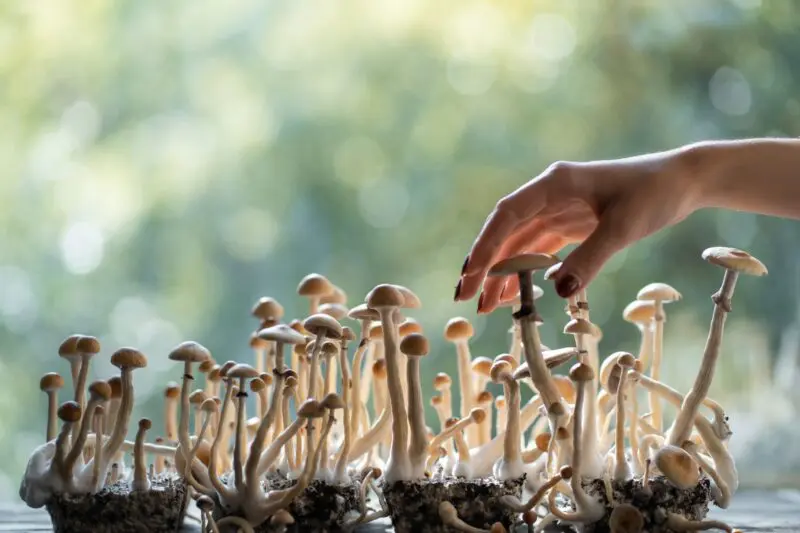
Why Local Mushroom Growers Focus on Sustainable Mushroom Farming
Introduction
As more people become mindful about where their food comes from, sustainable mushroom farming is gaining attention for all the right reasons. Consumers today are not just looking for food that tastes good — they also want fresh organic produce that is grown responsibly, locally, and with care.
That’s exactly why many local mushroom growers are shifting toward smarter and more sustainable farming practices. From reducing waste to maintaining better growing environments, sustainable mushroom cultivation supports both quality and long-term environmental health.
At FarmSmart, this approach reflects the values behind their farm-to-table growing process, hand-picked freshness, and carefully controlled cultivation methods described on their site.
What Is Sustainable Mushroom Farming?
Sustainable mushroom farming is the practice of growing mushrooms in a way that supports environmental responsibility, product quality, and efficient resource use. Unlike traditional large-scale food systems that often rely heavily on land, water, and chemicals, mushroom farming can be naturally more efficient when done the right way.
This approach often includes:
- Controlled indoor growing environments
- Reduced water and energy waste
- Minimal chemical use
- Better crop monitoring
- Cleaner harvesting and packaging methods
Because mushrooms grow in carefully managed spaces, local mushroom growers can focus on producing cleaner and fresher crops with less environmental impact compared to many conventional farming methods.
Why Local Mushroom Growers Prefer Sustainable Farming
There are several reasons why local mushroom growers are choosing more sustainable methods — and it goes beyond just farming trends.
1. Better Quality Control
Mushrooms are highly sensitive to temperature, humidity, and air quality. Sustainable growing methods often rely on carefully controlled cultivation systems, which help growers maintain consistency in texture, freshness, and flavor.
This means customers get mushrooms that are:
- More visually appealing
- Better in taste and texture
- Fresher at the time of delivery
- More reliable in quality year-round
For growers, this level of control also reduces crop loss and improves long-term production efficiency.
2. Fresh Organic Produce Matters More Than Ever
People today are paying closer attention to what they eat. They want food that feels fresh, natural, and close to the source. That’s where fresh organic produce from local farms makes a real difference.
When mushrooms are grown and distributed locally:
- They spend less time in storage
- They travel shorter distances
- They retain freshness longer
- They reach kitchens faster
This is one of the biggest advantages of supporting local mushroom growers. Instead of produce spending days or weeks moving through long supply chains, locally grown mushrooms can go from harvest to table much faster.
FarmSmart highlights this same farm-to-table commitment, describing its mushrooms as hand-picked, pesticide- and disease-free, and grown using environmental control methods for quality and freshness.
3. Sustainable Mushroom Farming Supports the Environment
One of the strongest reasons to support sustainable mushroom farming is its positive environmental impact.
Compared to many traditional crops, mushroom cultivation can be more efficient because it often requires:
- Less farmland
- Controlled growing space
- More efficient water use
- Lower transportation impact when grown locally
When farms also focus on local distribution, the environmental benefits increase even more. Fewer transport miles often mean lower fuel use and a smaller overall footprint.
This creates a smarter food system — one that supports both people and the planet.
4. Local Mushroom Growers Build Stronger Food Communities
Choosing local mushroom growers is not just about buying produce — it’s also about strengthening local food networks.
Local farms help communities by:
- Supporting regional food supply
- Creating more transparent food sourcing
- Encouraging healthier eating habits
- Offering seasonal and specialty produce options
Consumers are increasingly interested in knowing who grows their food and how it is grown. Sustainable local farming creates that trust. It gives people more confidence in the freshness, safety, and quality of the food they bring home.
How Sustainable Mushroom Farming Improves Mushroom Quality
One major benefit of sustainable mushroom farming is the direct effect it has on mushroom quality.
When mushrooms are grown in well-managed environments, growers can maintain:
- Balanced moisture levels
- Stable temperatures
- Better air circulation
- Cleaner growing conditions
These factors are especially important for premium mushroom varieties such as:
- Oyster mushrooms
- Lion’s Mane mushrooms
- Chestnut mushrooms
- Black Pearl Oyster mushrooms
FarmSmart’s product pages and homepage describe a curated range of gourmet mushrooms grown locally in Canada and supported by controlled cultivation practices, which aligns well with this quality-first approach.
Fresh Organic Produce and Farm-to-Table Living
The phrase fresh organic produce means more than just “healthy food.” For many people, it represents a lifestyle built around freshness, clean eating, and conscious food choices.
Mushrooms are becoming a bigger part of that lifestyle because they are:
- Nutrient-rich
- Versatile in recipes
- Easy to include in plant-based meals
- Naturally flavorful and satisfying
When sourced from local mushroom growers, they also become part of a more responsible and connected way of eating.
Whether used in soups, stir-fries, pasta, grilling, or gourmet dishes, fresh mushrooms offer both flavor and nutrition while supporting sustainable food habits.
Why Consumers Are Choosing Local Mushroom Growers
Today’s buyers are looking beyond price. They care about:
- Product freshness
- Growing practices
- Local sourcing
- Food transparency
- Sustainability
That’s why local mushroom growers continue to earn trust. They offer something many mass-market suppliers cannot always provide — a closer connection between farm and customer.
This matters especially for delicate produce like mushrooms, where freshness and handling make a huge difference in the final eating experience.
The Future of Sustainable Mushroom Farming
The future of food is shifting toward more responsible production, and sustainable mushroom farming is well positioned to be part of that change.
As demand grows for:
- Fresh organic produce
- Local food systems
- Cleaner growing methods
- Farm-to-table sourcing
…mushroom farms that focus on sustainability will continue to stand out.
For both growers and consumers, this approach creates a win-win:
- Better produce
- Better environmental practices
- Better support for local communities
Conclusion
The reason local mushroom growers focus on sustainable mushroom farming is simple: it creates a better way to grow and enjoy food.
It supports freshness, improves quality, reduces unnecessary waste, and helps deliver fresh organic produce that people can trust. In a world where consumers want healthier, smarter, and more responsible food choices, sustainable mushroom farming is not just a trend — it’s a meaningful step forward.
For anyone who values flavor, freshness, and conscious sourcing, supporting local mushroom growers is a simple choice with long-term impact.
Recent Posts
-
 How Sustainable Mushroom Farming is Shaping the Future of Food
 -
 How Local Mushroom Growers Are Changing Fresh Organic Produce in Canada
 -
Why Local Mushroom Growers Focus on Sustainable Mushroom Farming
-
 Sustainable Mushroom Farming for Eco-Friendly Food Production
 -
 Eco-Friendly Mushroom Growing Practices That Make a Real Difference