Blog
Home
Test
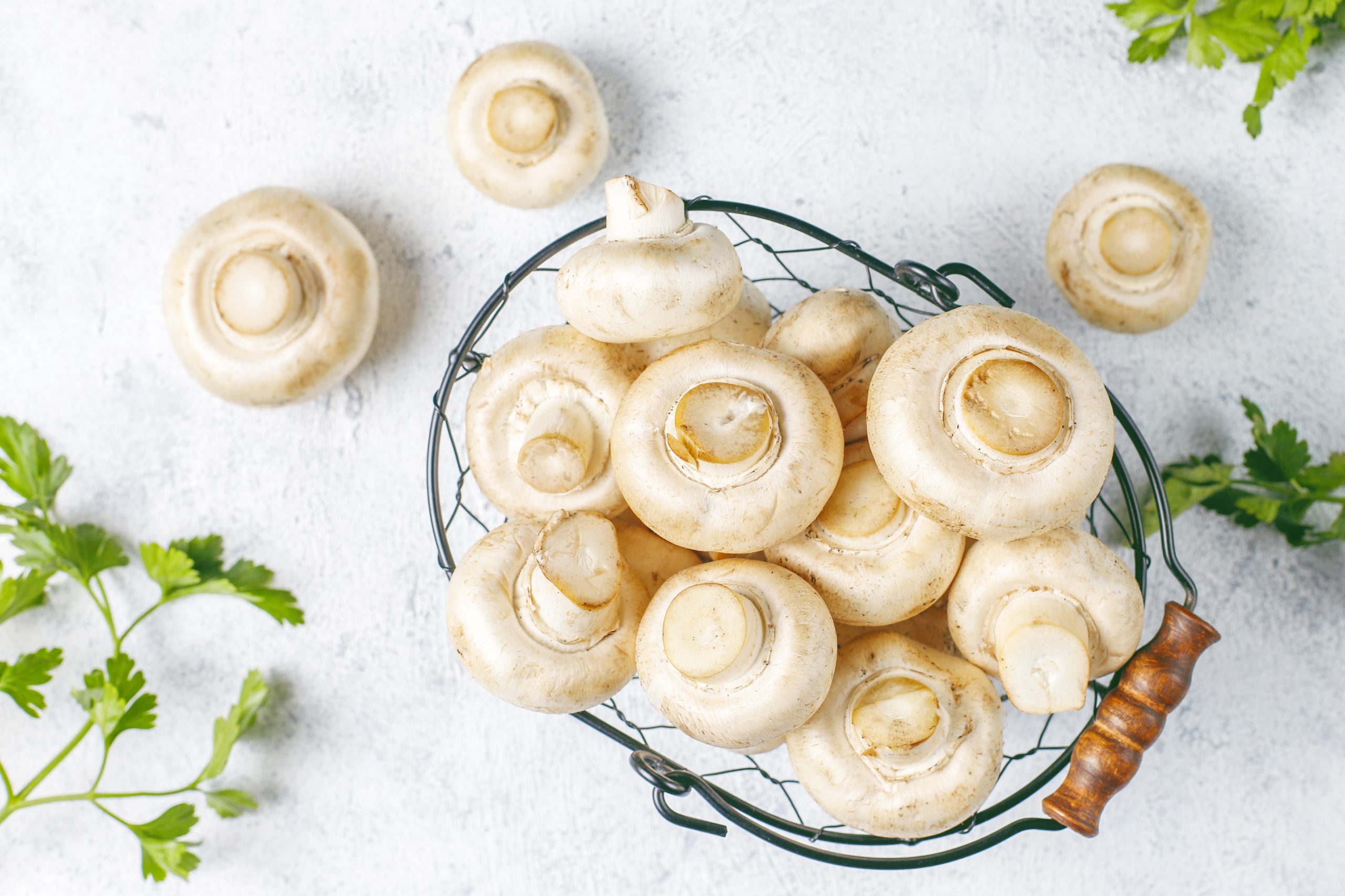
Fresh Organic Produce Benefits from Local Mushroom Farms
Eating well should feel simple, but many people struggle to find food that is both healthy and trustworthy. Grocery stores often offer many choices, yet not all produce feels truly fresh. That is why more families are choosing Fresh Organic Produce from local farms. It gives people a better way to enjoy food that is grown with care, picked closer to peak ripeness, and delivered with less delay. When produce comes from a nearby mushroom farm or local grower, it often tastes better, feels cleaner, and supports a healthier way of eating without making daily meals more complicated.
This blog will explain why local mushroom farms and nearby growers are becoming a smart source of quality food. You will learn how freshness affects flavor, why local produce supports better eating habits, and how organic growing methods add real value to your kitchen. You will also discover how to choose good produce, why mushrooms are such a useful food, and how local farms support your community. If you want better meals, cleaner ingredients, and more confidence in what you eat, this guide will help you make better choices with ease.
What to Know Before Buying Fresh Organic Produce
Before buying local vegetables or mushrooms, it helps to understand what makes them different from standard store produce. Many shoppers assume all fresh food offers the same value. However, how food is grown, handled, and delivered can change its taste, texture, and overall quality. Produce that travels long distances may look acceptable, but it can lose freshness before it reaches your kitchen. In contrast, local farm produce often arrives much sooner after harvest. That shorter journey can improve how food smells, cooks, and tastes, while also helping it last longer at home.
It is also important to understand that organic food is about more than just a label. Organic growing methods usually focus on healthier soil, natural farming practices, and fewer synthetic chemicals. When these methods are paired with local farming, the result is often food that feels more natural and more connected to the season. This can improve not only the quality of your meals but also your trust in what you are buying. Knowing these basics helps you see why local mushroom farms and nearby organic growers offer more than convenience alone.
How Fresh Organic Produce Is Grown
Organic farming often uses natural methods to support plant growth and soil health. Instead of relying heavily on synthetic products, many growers focus on balance, care, and long-term quality. This farming style aims to create produce that feels cleaner and more natural for daily eating. It also encourages healthier growing systems that can support better crops over time. For buyers, this means more confidence in what goes onto the dinner table. It also means food that reflects thoughtful growing rather than mass production designed only for transport and shelf appearance.
The way produce is grown affects more than how it looks. It can also influence flavor, freshness, and the overall eating experience. Organic farms often work with the seasons and focus on quality rather than volume alone. That can result in produce that feels more vibrant and enjoyable to cook with. When local mushroom farms and nearby growers follow these methods, shoppers often notice the difference quickly. The food feels more alive, more useful in everyday meals, and more aligned with the kind of healthy lifestyle many families want to build.
Why Local Mushroom Farms Matter
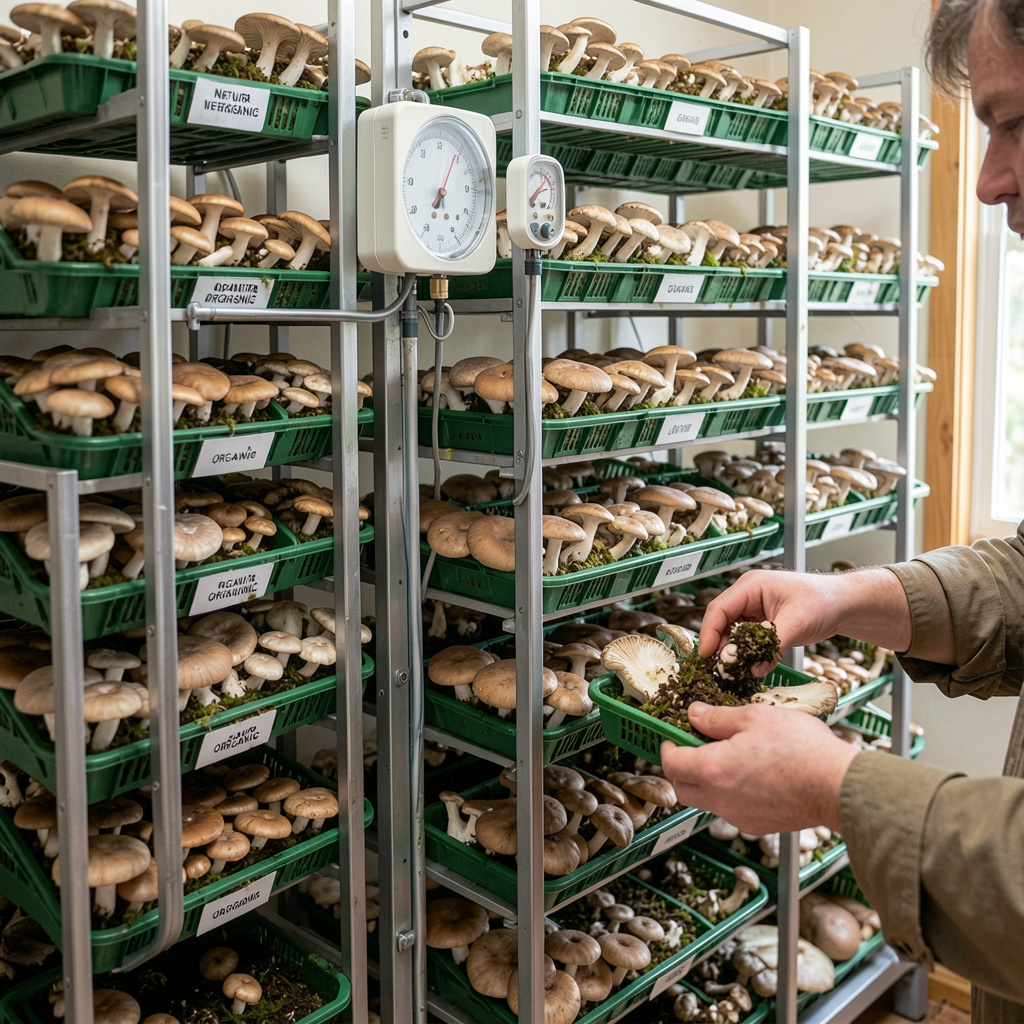
Local mushroom farms play an important role in making fresh food easier to access. Mushrooms are delicate, so they benefit greatly from shorter travel times and careful handling. When mushrooms are grown nearby, they often arrive in better condition and with stronger natural flavor. That makes them easier to cook and more enjoyable to eat. Because mushrooms are so versatile, they also fit into many different meals. This makes local mushroom farms a valuable part of a healthy kitchen, whether you cook often or simply want better ingredients at home.
They also add strength to local food systems. A nearby mushroom farm can provide reliable produce while supporting variety in what local shoppers can buy. This matters because healthy eating becomes easier when people have access to fresh, flexible ingredients close to home. Mushrooms pair well with grains, eggs, vegetables, soups, and pasta dishes, so they fit naturally into many weekly meal plans. When local mushroom farms are part of a wider network of organic growers, communities gain a more dependable source of quality produce that supports both convenience and wellness.
Why Freshness Makes a Big Difference
Freshness changes almost everything about produce. It affects texture, taste, smell, and how well ingredients perform in the kitchen. Vegetables and mushrooms that are harvested recently often feel firmer, cook more evenly, and offer better flavor. This is especially noticeable in simple dishes where the ingredients are meant to shine. Fresh food also tends to feel more satisfying because it keeps more of the qualities people naturally enjoy. That is one reason why local produce often wins people over so quickly after just a few meals.
Freshness also matters for practical reasons. Many people buy healthy ingredients with good intentions, only to throw them away a few days later. Produce that starts out fresher often lasts longer in the fridge and stays useful for more meals. This helps reduce food waste and makes healthy shopping feel more worthwhile. Instead of rushing to use ingredients before they spoil, you can enjoy better flexibility in meal planning. Over time, this can improve both your budget and your relationship with healthy eating, making good choices easier to maintain.
How Seasonal Food Improves Quality
Seasonal food is often better because it is grown and harvested at the right time. When produce is in season, it usually develops more naturally and reaches consumers closer to peak quality. That can lead to better flavor, stronger texture, and a more satisfying cooking experience. Seasonal eating also encourages variety, which can make meals more enjoyable throughout the year. Rather than relying on the same ingredients all the time, you get the chance to enjoy what local farms are producing best at each stage of the season.
This also makes shopping easier and often more practical. Seasonal produce is usually more available and better suited to current cooking habits and weather. Local mushroom farms fit especially well into this system because mushrooms pair easily with ingredients across many seasons. They work with light spring meals, hearty winter dishes, and everything in between. As a result, they become one of the most useful ingredients in a seasonal kitchen. Seasonal eating is not just a food trend. It is often a smarter and more natural way to choose better ingredients.
Why Fresh Organic Produce Supports Better Habits
Good eating habits are easier to build when healthy ingredients are easy to use. That is one of the strongest benefits of choosing local organic produce. When vegetables and mushrooms are fresher, more flavorful, and more appealing, people are more likely to cook with them. This helps healthy eating feel less like a task and more like a normal part of daily life. Better ingredients support better routines, especially for busy households that need meals to feel practical as well as nutritious.
Healthy habits also depend on consistency, not perfection. Most people do not need a complete diet overhaul. They simply need better food choices that fit into the way they already live. Local produce supports this by making simple meals more enjoyable and less wasteful. A fresh mushroom stir-fry, vegetable soup, grain bowl, or salad becomes easier to prepare when the ingredients are already appealing. Over time, these small changes create a stronger food routine. That is how long-term wellness often begins: not with extreme changes, but with better ingredients used more often.
Nutritional Benefits of Fresh Organic Produce
Nutrition is one of the main reasons people turn to local organic food. While no single ingredient can solve every health goal, fresh produce can make it easier to build better meals. Vegetables, herbs, and mushrooms naturally support a balanced way of eating, especially when they are fresh enough to stay appealing and easy to use. Good produce encourages more home cooking and less dependence on highly processed foods. That shift alone can improve the quality of everyday meals and help people feel more in control of what they eat.
It also helps that local produce often arrives in better condition. When food reaches your kitchen sooner after harvest, it usually stays more enjoyable for longer. That means you are more likely to use it rather than let it sit unused. Better food habits are often built through convenience and satisfaction, not just discipline. When ingredients taste good and work well in meals, people naturally use them more often. That is why fresh vegetables and mushrooms are such useful tools for anyone trying to eat better in a realistic and lasting way.
Fresh Organic Produce Helps Build Balanced Meals
Balanced meals are often easier to create when your ingredients are simple and flexible. Fresh vegetables and mushrooms can fit into breakfast, lunch, dinner, and snacks without needing complicated recipes. This makes them especially useful for people who want healthier eating habits without extra stress. Whether added to eggs, soups, grain bowls, wraps, or pasta dishes, quality produce helps improve both the nutrition and satisfaction of a meal. When ingredients are fresh and flavorful, even simple home cooking starts to feel more enjoyable and rewarding.
A balanced meal is not just about nutrition labels. It is also about what people will realistically eat and repeat. If healthy food feels bland or inconvenient, it becomes much harder to stick with. Fresh local produce helps solve that problem by offering better taste and more natural appeal. Mushrooms, leafy greens, and seasonal vegetables can turn a basic meal into something more complete without requiring expensive or hard-to-find ingredients. Over time, using these foods regularly helps build a stronger, more sustainable approach to wellness that fits naturally into everyday life.
Mushrooms Add Smart Nutrition to Everyday Food
Mushrooms are one of the most useful ingredients for healthier cooking. They are easy to prepare, versatile across many dishes, and naturally satisfying. Their rich flavor makes them ideal for people who want to eat more plant-based or vegetable-forward meals without sacrificing comfort or taste. Mushrooms also work well with many pantry staples, which makes them practical for busy kitchens. This matters because healthy eating becomes much easier when one ingredient can support many different meals without requiring special effort or advanced cooking skills.
Fresh mushrooms are especially valuable because they perform better in the kitchen than older or overhandled ones. They sauté more evenly, hold their texture better, and blend naturally into both light and hearty meals. This makes them useful for quick weekday cooking as well as more thoughtful weekend meals. Because mushrooms are so adaptable, they often become a regular part of healthy meal planning once people begin using them more often. Local mushroom farms make this even easier by providing fresher, better-quality mushrooms that support both taste and everyday convenience.
Better Taste with Fresh Organic Produce
Taste is one of the biggest reasons people return to local produce once they try it. Fresh ingredients often offer stronger aroma, better texture, and a more natural flavor than produce that has spent too much time in storage or transport. This becomes especially clear in meals where ingredients are simple and not heavily processed. A salad, soup, sauté, or roasted dish can feel completely different when the produce starts out fresh. Better taste is not just a luxury. It is often what makes healthy food more satisfying and easier to choose regularly.
Flavor also supports better food habits. When vegetables and mushrooms taste good, people are more likely to cook at home and rely less on packaged or heavily seasoned foods. This can make healthy eating feel more realistic and less restrictive. Local farms help support this because they often harvest in smaller batches and get food to consumers faster. That means your ingredients are more likely to arrive with the freshness needed to make everyday meals feel vibrant, complete, and worth repeating. Better taste often leads directly to better routines.
Fresh Organic Produce Makes Simple Cooking Better
One of the best things about quality produce is that it does not need much help to taste good. Fresh vegetables and mushrooms often shine with basic cooking methods like roasting, sautéing, steaming, or grilling. This is useful for busy households that want healthier meals without long prep times or complicated ingredients. Good produce reduces the need for heavy sauces and excessive seasoning because the food already brings flavor to the plate. That makes home cooking feel easier and more rewarding, even for people who do not consider themselves confident cooks.
Simple cooking also encourages consistency. If meals feel manageable and enjoyable, people are far more likely to repeat them. Fresh ingredients help make that possible. A quick vegetable stir-fry, mushroom pasta, or seasonal grain bowl becomes much more appealing when the ingredients are naturally flavorful. This turns healthy eating into something practical rather than aspirational. Over time, the ability to create satisfying meals from a few quality ingredients becomes one of the strongest benefits of buying local produce. It supports a better lifestyle without adding unnecessary pressure to everyday routines.
Fresh Mushrooms Bring More Flavor to Meals
Mushrooms are often called a flavor booster for good reason. Their natural savory taste adds depth to meals without making them heavy or overly rich. This makes them useful in both vegetarian dishes and mixed meals with grains, eggs, or proteins. When mushrooms are very fresh, they also hold a better texture and cook more evenly, which improves the final dish in a noticeable way. That quality can elevate everything from soups and stir-fries to breakfast scrambles and simple rice bowls without requiring extra ingredients or complicated preparation.
Fresh mushrooms also help people enjoy vegetables more often. Many people want to eat cleaner, but they struggle with variety or flavor. Mushrooms help solve both problems by making healthy meals feel more satisfying and complete. Because they are so versatile, they can support many styles of eating while still keeping meals simple. When sourced from local mushroom farms, their freshness and quality often stand out immediately. This makes them one of the easiest ingredients to build around if your goal is to cook more often and enjoy healthier meals with less effort.
Cleaner Eating with Fresh Organic Produce
Many shoppers choose organic food because they want ingredients that feel cleaner and more natural. For many families, that means reducing unnecessary exposure to synthetic growing inputs and choosing food that feels easier to trust. Organic produce often supports that goal by focusing on more natural growing methods and a stronger connection to soil health and long-term quality. While no food choice needs to be perfect, cleaner eating often begins with simple decisions. Choosing fresher, more thoughtfully grown produce is one of the easiest ways to improve the quality of daily meals.
This also helps create peace of mind. When people feel more confident about where their food comes from, healthy eating becomes less stressful and more enjoyable. Local farms often make that trust easier to build because the food source feels more direct and transparent. Instead of relying only on packaging claims, you are often choosing ingredients from growers who are much closer to your community. That stronger connection can make a real difference in how people shop, cook, and think about food. Cleaner eating is often easier when trust and freshness go together.
Fresh Organic Produce Fits a Mindful Lifestyle
Mindful living often starts with simple routines, and food is one of the easiest places to begin. Choosing better produce does not require strict diets or complicated meal plans. It often starts with selecting ingredients that feel fresher, more natural, and easier to enjoy. Organic vegetables and mushrooms support that approach because they encourage meals built around whole foods rather than heavily processed shortcuts. This can help people feel more connected to what they eat without making healthy living feel difficult or overwhelming.
A mindful lifestyle also values quality over convenience alone. Instead of buying food only because it is available, many people begin choosing food based on freshness, trust, and usefulness. Local organic produce supports that shift very well. It encourages people to think more intentionally about what they bring home and how they use it. That often leads to less waste, more satisfying meals, and a better relationship with food overall. In many cases, healthier living becomes easier not because life slows down, but because better ingredients make everyday choices more rewarding.
Why Fresh Organic Produce Supports Sustainability
Sustainability often sounds like a big concept, but it begins with small food choices. Buying from local farms can help reduce the distance produce travels before reaching your home. This shorter supply chain can support freshness while also reducing some of the handling, transport, and storage that large systems require. While one purchase does not solve everything, repeated local choices can contribute to a more practical and efficient food system. They also help support farms that are directly connected to the communities they serve, which adds long-term value beyond the meal itself.
Sustainable eating also includes reducing waste. When produce arrives fresher and stays useful longer, households are more likely to use what they buy. That means fewer spoiled vegetables and less money lost to ingredients that never become meals. Local produce often helps because it starts in better condition and feels more appealing to cook with. This makes sustainability more practical and less abstract. It becomes part of everyday life through better habits, smarter shopping, and a stronger connection between what is grown and what is actually eaten at home.
Fresh Organic Produce Supports Local Communities
Buying local produce supports more than your kitchen. It also supports the growers, workers, and systems that help keep quality food available close to home. When people buy from nearby farms, they contribute to a food economy that values freshness, trust, and regional food culture. This strengthens local agriculture and helps preserve better access to real ingredients. It also gives consumers more direct alternatives to long-distance food systems that often prioritize shelf life over actual eating quality.
Community support matters because healthy food should not feel distant or hard to access. Strong local food systems help make better ingredients more normal and more available. They also encourage greater awareness around how food is grown, when it is in season, and what quality actually looks like. That awareness can improve shopping habits across families and neighborhoods. Over time, supporting local produce becomes about more than individual health. It becomes part of building a stronger, healthier, and more connected food culture that benefits many people, not just one household.
How to Choose the Best Fresh Organic Produce
Choosing better produce gets easier once you know what to look for. Start with simple signs such as firmness, natural color, clean surfaces, and a fresh smell. Mushrooms should feel dry and smooth, not slimy or overly damp. Leafy vegetables should look crisp rather than wilted, and herbs should smell bright and clean. These details may seem small, but they reveal a lot about freshness and handling. Good produce should feel useful and appealing right away, not like something you need to rescue before it loses quality.
It also helps to buy with a plan. Fresh ingredients are most valuable when they match what you will actually cook. Begin with produce you already enjoy and know how to use. This keeps healthy shopping practical rather than overwhelming. Once you become more comfortable with local ingredients, you can start expanding your choices by season or meal type. Over time, learning how to select quality produce becomes a skill that improves both your meals and your grocery decisions. Better buying habits often begin with a few simple observations repeated each week.
How to Build a Weekly Routine Around Fresh Organic Produce
The best food changes are the ones you can repeat. That is why building a weekly routine around fresh ingredients often works better than trying to change everything at once. Start by choosing a few reliable items, such as mushrooms, leafy greens, herbs, or seasonal vegetables. Use them in meals you already make. This keeps the habit easy and helps local produce become part of your regular routine rather than something you buy only when you feel extra motivated to eat healthy.
A routine also makes meal planning less stressful. When you know which ingredients work well in your kitchen, shopping becomes faster and cooking becomes easier. You are not trying to reinvent your habits every few days. Instead, you are improving them gradually. Local produce supports this because it often tastes better and stays useful longer, which makes the habit more rewarding. Over time, these small weekly choices can improve how you shop, how you cook, and how confidently you build meals around healthier, more natural ingredients.
Why Choose Local Mushroom Farms for Fresh Organic Produce
Local mushroom farms are an excellent source of quality produce because they combine freshness, versatility, and dependable food value. Mushrooms are delicate, so shorter travel times can make a noticeable difference in how they look, cook, and taste. When grown nearby, they often arrive in better condition and fit more naturally into a healthy kitchen routine. This makes them a smart ingredient for people who want food that is practical, enjoyable, and easy to use across many different meals without requiring advanced cooking or expensive ingredients.
They also represent a more thoughtful way to buy food. Instead of choosing ingredients based only on convenience, you begin choosing based on freshness, trust, and usefulness. That shift often improves not just what you eat, but how you think about food overall. Local mushroom farms can become a dependable part of a better eating routine, especially when paired with seasonal vegetables and other organic staples. If your goal is cleaner eating, better meals, and more confidence in your grocery choices, local farms offer a strong and practical place to begin.
Conclusion: Fresh Organic Produce Is a Smarter Everyday Choice
Choosing Fresh Organic Produce from local mushroom farms is one of the simplest ways to improve the quality of your meals without making life more complicated. Better ingredients often lead to better routines. When food is fresher, cleaner, and more enjoyable to cook with, healthy eating becomes easier to maintain. That matters because lasting wellness usually comes from small daily choices rather than extreme changes. Fresh produce supports those choices by making meals taste better, last longer, and feel more rewarding to prepare at home.
Local mushroom farms bring even more value to that experience. They offer a reliable source of fresh, versatile food that works across many meal styles and seasons. Mushrooms pair naturally with vegetables, grains, eggs, soups, and simple comfort meals, which makes them one of the easiest ingredients to use more often. When combined with other local organic produce, they help create a kitchen built around quality, trust, and practical nutrition. This makes them a strong fit for households that want to eat well without overcomplicating daily food choices.
If you are ready to improve the way you shop and cook, start small. Add a few fresh local ingredients to your weekly routine and build from there. Choose produce that looks vibrant, feels useful, and matches meals you already enjoy making. Over time, those simple decisions can lead to less waste, more satisfying food, and a healthier relationship with everyday eating. The best food changes are often the ones that feel easy enough to keep. That is exactly what Fresh Organic Produce can help you achieve.
Recent Posts
-
 How Sustainable Mushroom Farming is Shaping the Future of Food
 -
 How Local Mushroom Growers Are Changing Fresh Organic Produce in Canada
 -
 Why Local Mushroom Growers Focus on Sustainable Mushroom Farming
 -
 Sustainable Mushroom Farming for Eco-Friendly Food Production
 -
 Eco-Friendly Mushroom Growing Practices That Make a Real Difference