Blog
Home
Test
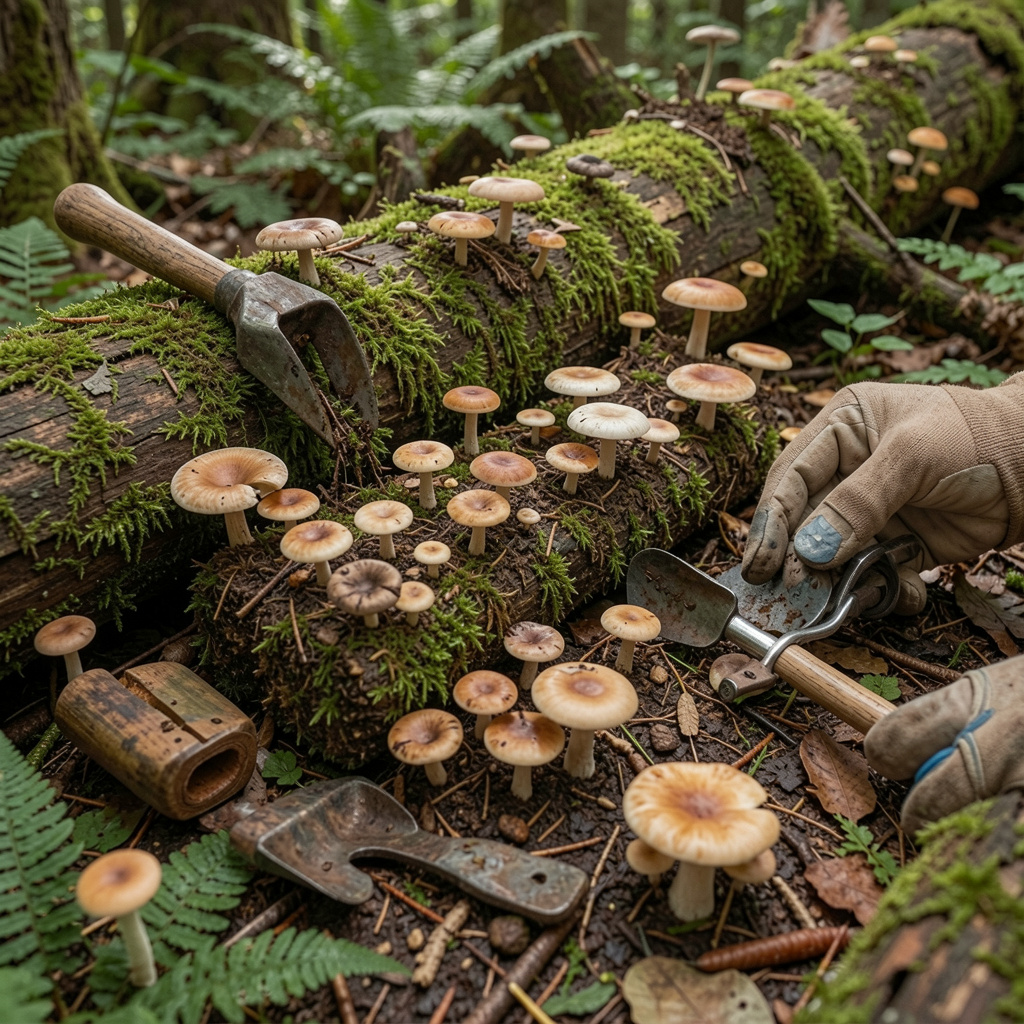
Eco-Friendly Mushroom Growing Practices That Make a Real Difference
Sustainability in food production is no longer a niche conversation reserved for scientists, policymakers, or large-scale agricultural brands. It has become a practical concern for everyday buyers, chefs, local food businesses, and health-conscious households who want better ingredients without contributing to unnecessary environmental harm. That is exactly why Eco-Friendly Mushroom farming is attracting so much attention. Mushrooms offer a fascinating opportunity to produce highly nutritious food using less land, fewer inputs, and more efficient growing systems than many traditional crops. For readers exploring smarter food choices, mushroom cultivation opens the door to a cleaner, more responsible farming model.
If you are searching for ways agriculture can become more efficient without sacrificing quality, this guide will walk you through the most meaningful practices that actually make a difference. From waste reduction and energy-conscious growing methods to local food systems and circular farming strategies, this blog explains what sustainable mushroom cultivation looks like in the real world. It will also show why choosing a grower like FarmSmart—known for hand-picked gourmet mushrooms, modern grow technology, and farm-to-table freshness—can support both your kitchen and the planet.
What to Know Before Exploring Sustainable Mushroom Farming
Sustainable mushroom cultivation is not simply about growing fungi in a more “natural” way. It is about understanding how mushrooms fit into broader environmental systems, including waste management, energy use, water efficiency, food transportation, and soil health. Unlike many crops that require open land, heavy irrigation, and extensive pesticide management, mushrooms can be grown in controlled indoor environments with carefully managed conditions. That makes them uniquely suited for modern agriculture that values consistency, quality, and resource efficiency.
Before diving into the specific benefits of eco-conscious mushroom production, it helps to understand the underlying factors that make this style of farming so effective. These include the role of agricultural byproducts, the lower space requirements of mushrooms, the possibility of year-round local production, and the ways mushroom substrates can be repurposed after harvest. Once these principles are clear, it becomes easier to see why mushroom farming is increasingly viewed as a smart solution for environmentally aware consumers and food systems.
Reducing Agricultural Waste Through Mushroom Farming
One of the most impressive features of sustainable mushroom cultivation is its ability to turn low-value agricultural materials into high-value food. Mushroom growers often use substrates made from byproducts such as straw, sawdust, husks, or other organic materials that might otherwise be discarded, burned, or left to decompose inefficiently. This creates a productive second life for resources that traditional farming systems may overlook. Instead of treating agricultural leftovers as waste, mushroom farming treats them as inputs for a new cycle of production.
This matters because waste reduction is a major part of responsible agriculture. When organic byproducts are reused effectively, farms can reduce disposal issues while also lowering the need for virgin growing materials. That contributes to a more efficient agricultural ecosystem overall. For buyers who care about sustainable food sourcing, this is more than a technical detail—it is evidence that mushrooms can be part of a cleaner supply chain. It also helps explain why gourmet mushrooms are increasingly associated with regenerative farming conversations and circular food production strategies.
Lower Environmental Impact Compared to Traditional Crops
Compared with many conventional crops, mushrooms can often be produced with less land disturbance, less direct water demand, and fewer broad-spectrum agricultural chemicals. Because they are typically cultivated in controlled environments, growers can manage humidity, airflow, and cleanliness with precision. This reduces many of the variables that create heavy environmental burdens in field-based farming. The result is a food product that can often be grown more intensively and predictably without the same scale of ecological disruption.
This does not mean mushroom farming has zero footprint, because every food system uses energy and materials. However, the relative efficiency of mushroom production makes it a compelling option in sustainable agriculture discussions. For readers comparing food sources, this lower-impact model is important because it proves that high-quality ingredients do not always require expansive land use or input-heavy cultivation. Eco-conscious mushroom farming stands out precisely because it can deliver flavor, nutrition, and culinary value in a more compact and efficient way.
Supporting a More Circular Farming System
Circular farming is built on a simple but powerful idea: resources should stay in use for as long as possible, with minimal waste and maximum reuse. Mushroom farming fits this model exceptionally well. The growing process begins with repurposed organic material and often ends with spent substrate that can still serve useful functions, such as composting or soil enrichment, depending on how it is handled. That means the production cycle does not necessarily stop at harvest; it can continue contributing value after the mushrooms are picked.
This is a meaningful advantage in a world where linear agriculture—extract, produce, discard—creates environmental strain at every stage. Circular systems are more resilient, more efficient, and often more locally adaptable. For consumers and food businesses alike, supporting farms that operate with circular principles can be a practical way to encourage better agricultural habits. Sustainable mushroom production is one of the clearest examples of how food can be grown in a way that respects both resource limits and long-term environmental health.
Why Controlled Growing Environments Matter
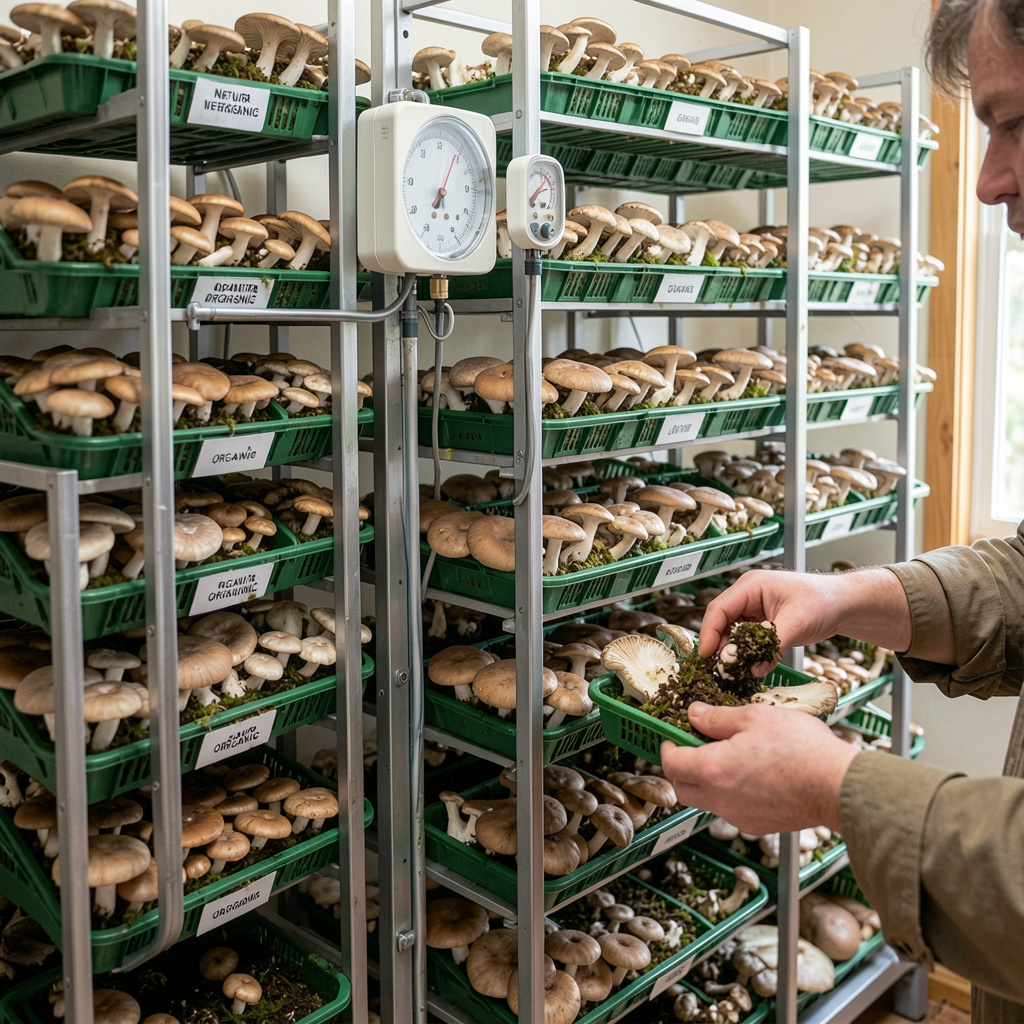
A controlled growing environment gives mushroom farmers the ability to fine-tune temperature, humidity, airflow, and sanitation with impressive accuracy. This is not just good for crop quality—it is also good for sustainability when done properly. Better environmental control means fewer losses, more consistent harvests, and less waste caused by contamination or unpredictable outdoor conditions. That efficiency matters because every failed crop or spoiled batch represents wasted energy, labor, and materials.
For premium mushroom producers, environmental control also supports freshness and quality assurance. FarmSmart highlights its use of cutting-edge grow technology and environmental control methods as part of its commitment to high-quality gourmet mushrooms. That kind of system helps growers maintain reliable standards while producing mushrooms that are clean, fresh, and ready for the table. When sustainability and product excellence work together, the result is a farming model that benefits both the producer and the end consumer.
The Value of Choosing Local Mushroom Producers
Local food sourcing is often one of the most overlooked parts of sustainable eating. Even if a product is grown responsibly, the environmental benefits can be reduced if it travels long distances through complex supply chains before reaching the customer. Mushrooms are especially well-suited to local distribution because they are perishable, delicate, and best enjoyed fresh. Choosing a nearby producer can therefore improve both quality and environmental efficiency at the same time.
FarmSmart’s farm-to-table positioning reflects this advantage well. Fresh, hand-picked mushrooms delivered through a local or regional system can help reduce unnecessary transport, packaging strain, and storage delays. For restaurants, home cooks, and wellness-focused shoppers, local mushroom sourcing is not just about supporting nearby agriculture. It is also about getting better texture, better flavor, and better freshness while aligning with more responsible food purchasing habits.
Eco-Friendly Mushroom Growing Practices That Truly Matter
Sustainability becomes more meaningful when it moves beyond broad claims and into specific, repeatable actions. That is where eco-friendly mushroom farming stands apart. The best growers are not simply talking about sustainability—they are building it into their cultivation systems, harvesting methods, packaging decisions, and distribution models. These practices shape the environmental value of the final product and help distinguish truly responsible farms from generic “green” marketing.
The following practices are the ones that make the biggest real-world difference. They improve resource efficiency, reduce environmental pressure, and support a more resilient food system without compromising the quality that buyers expect from premium gourmet mushrooms. For consumers who want practical ways to identify better food sources, these are the signs worth paying attention to.
Using Agricultural Byproducts as Mushroom Substrate
A major eco-friendly practice in mushroom cultivation is the use of agricultural byproducts as substrate. Rather than relying on newly extracted growing materials, many mushroom farms build their production systems around organic leftovers from other industries. This can include straw, hardwood sawdust, bran supplements, and similar materials that would otherwise have lower economic value. By redirecting these materials into food production, growers create a more efficient and environmentally useful cycle.
This practice reduces waste while also improving the sustainability profile of mushroom farming itself. It is a practical example of resource recovery, and it demonstrates how fungi can transform overlooked materials into edible, nutrient-rich food. For environmentally conscious customers, this matters because it shows the crop is not only low-impact in theory, but also efficient in the way it is physically produced. That combination of reuse, productivity, and nutrition is a major reason mushrooms are gaining attention in sustainable agriculture conversations.
Why Substrate Choice Affects Sustainability
The substrate is more than just a growing medium—it is one of the most important sustainability decisions in mushroom farming. If a farm uses waste-derived, responsibly sourced materials, it immediately lowers the environmental cost of production. If it relies on poorly managed or heavily processed inputs, the overall benefit becomes less impressive. Sustainable growers understand that eco-friendly farming begins before the mushrooms even start to fruit.
Substrate choice also influences contamination risk, nutrient availability, and downstream reusability. A well-designed substrate system can improve yields and reduce waste at the same time. This is especially relevant for gourmet mushroom production, where consistency and quality are essential. The more thoughtfully a farm approaches substrate sourcing and preparation, the stronger its sustainability foundation tends to be. That is why informed buyers should pay attention to what mushrooms are grown on, not just what they look like at harvest.
Reducing Water Use Through Controlled Cultivation
Water efficiency is one of the strongest environmental advantages of mushroom farming when compared with many conventional crops. Mushrooms do require humidity and moisture, but they are not irrigated in the same way large-scale field crops are. In controlled indoor systems, growers can deliver water more precisely, reduce evaporation losses, and avoid the waste associated with broad outdoor irrigation. This creates a more targeted and often more efficient use of a vital natural resource.
In an era where water scarcity is becoming a serious agricultural concern, this matters more than ever. Consumers who want to support environmentally responsible food production should care not only about what is grown, but also how intensively natural resources are used in the process. Mushroom farming offers a compelling answer here because it can produce valuable, nutrient-dense food without placing the same type of water pressure on the land as many traditional agricultural systems.
How Humidity Management Supports Efficiency
Humidity management is central to mushroom cultivation, but it also plays a major role in sustainability. In well-run growing environments, moisture is maintained carefully to support healthy fruiting without excessive waste. That means farms can avoid the inefficiencies that often come from overwatering, runoff, or inconsistent growing conditions. Smart environmental control systems make it possible to keep moisture exactly where it is needed most.
This kind of precision is important because sustainable farming is rarely about doing less—it is about doing things more intelligently. Moisture control, airflow balancing, and temperature stability all work together to create a more efficient system. Farms that invest in these processes are often able to reduce waste, improve crop reliability, and maintain product quality more effectively. For buyers, that translates into fresher mushrooms and a production process that uses resources more responsibly behind the scenes.
Minimizing Chemical Inputs and Pesticide Dependence
Another eco-friendly strength of mushroom farming is the reduced reliance on pesticides and broad agricultural chemical programs. Mushrooms are commonly grown indoors or in tightly managed environments where sanitation, substrate quality, and airflow control play a bigger role than field spraying or seasonal pest management. This changes the cultivation model entirely and allows growers to focus on prevention and cleanliness rather than reactionary chemical use.
FarmSmart specifically highlights pesticide- and disease-free production as part of its brand identity, which is an important signal for customers who care about clean food systems and premium quality. That kind of cultivation approach appeals to households, chefs, and health-conscious shoppers looking for fresher ingredients with fewer concerns around conventional agricultural chemical exposure. In sustainability terms, reducing pesticide dependence also supports safer handling, lower ecological disruption, and more responsible farming practices overall.
Why Clean Growing Systems Matter to Buyers
For many customers, sustainability and food quality are inseparable. People do not just want environmentally friendly ingredients—they also want products that feel clean, fresh, and trustworthy. Mushroom farms that prioritize controlled cleanliness, contamination prevention, and low-input cultivation are often better positioned to deliver on those expectations. This is especially important in premium gourmet food categories where freshness and integrity strongly influence buying decisions.
A clean growing system also supports a more transparent brand story. When a farm can confidently explain how its mushrooms are produced, harvested, and handled, customers are more likely to feel connected to the product. That connection matters in today’s food market, where shoppers increasingly want to know not just what they are eating, but what values their purchase supports. Eco-friendly mushroom farming meets that demand by offering both culinary value and a credible sustainability narrative.
Growing Mushrooms Closer to the Consumer
One of the simplest ways to reduce environmental impact is to shorten the distance between food production and food consumption. Mushrooms are ideal for this because they can be cultivated in localized, controlled systems rather than relying exclusively on large, remote agricultural regions. When grown closer to where people actually live and eat, mushrooms can reach the customer faster, fresher, and with fewer transport-related emissions.
This local model also strengthens community food resilience. It supports nearby growers, creates fresher supply chains for restaurants and retailers, and helps consumers access specialty ingredients without depending on long distribution networks. For gourmet mushrooms in particular, local production is a meaningful quality advantage because texture and freshness can decline quickly over time. Choosing a local producer therefore supports both environmental efficiency and a better culinary experience.
How Farm-to-Table Freshness Supports Sustainability
Farm-to-table is often treated like a marketing phrase, but in mushroom production it has real practical value. Mushrooms are delicate and highly perishable, so shorter supply chains reduce handling, storage stress, and spoilage risk. That means less food waste before the product even reaches the consumer. It also means the final ingredient is more likely to arrive with the texture, aroma, and appearance that premium buyers expect.
FarmSmart emphasizes a farm-to-table commitment and hand-picked freshness, which aligns naturally with the sustainability advantages of local mushroom cultivation. When mushrooms move through fewer logistical steps, the system becomes more efficient and the product quality improves. That is the kind of eco-friendly difference that customers can actually experience—not just in environmental terms, but on the plate as well.
Making Better Use of Spent Mushroom Substrate
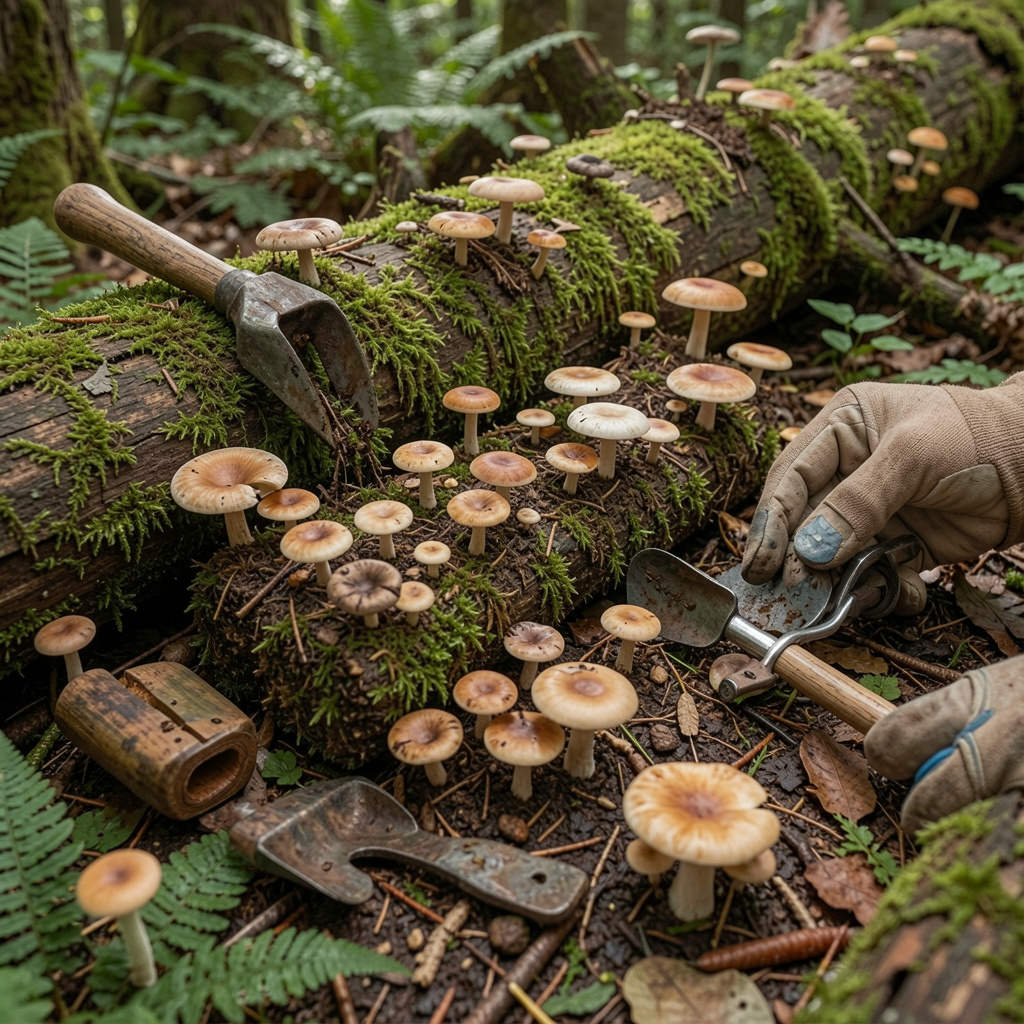
One of the strongest examples of circular thinking in mushroom farming is what happens after harvest. The substrate used to grow mushrooms does not automatically become useless once a crop is finished. In many systems, spent mushroom substrate can still serve a valuable purpose, whether in composting, soil improvement, or related agricultural uses. That makes the end of one production cycle the beginning of another.
This matters because sustainability is not only about efficient production—it is also about responsible after-use. Farms that think beyond the harvest stage are more likely to build resilient, lower-waste operations over time. For environmentally aware consumers, this is a sign that a producer is considering the full lifecycle of its growing materials rather than just the marketable crop. It reflects a deeper level of environmental responsibility that deserves more attention in food sourcing decisions.
Why Circular End-Use Planning Matters
The environmental cost of farming often hides in what gets discarded after production. If growing materials are simply thrown away after one use, the system becomes less efficient and more wasteful. Circular end-use planning changes that by asking a smarter question: what else can this material still do? In mushroom farming, that question often leads to meaningful reuse opportunities that support soil systems, organic matter recovery, or broader agricultural efficiency.
This approach helps define what truly sustainable farming looks like. It is not just about the product people buy, but about how every stage of the production process is managed. When mushroom farms are designed with reuse and recovery in mind, they contribute to a food system that is less extractive and more regenerative. That makes mushrooms one of the most practical examples of how eco-friendly agriculture can work in real life.
Why Choose FarmSmart for Fresh Gourmet Mushrooms?
If you are looking for mushrooms that align with both quality and sustainability values, FarmSmart offers a compelling option. The brand emphasizes hand-picked freshness, modern environmental control methods, and pesticide-free gourmet mushroom production. Its product range includes specialty varieties such as Pink Oyster, Chestnut, Blue Oyster, Lion’s Mane, Yellow Oyster, and Black Pearl Oyster mushrooms, giving customers access to flavorful ingredients that go beyond the standard grocery selection.
What makes that especially valuable is the combination of freshness, local-style farm-to-table positioning, and a cultivation philosophy built around care and consistency. Whether you are a home cook looking for better ingredients or a food enthusiast exploring more sustainable food choices, FarmSmart gives you access to mushrooms that support both culinary creativity and environmentally smarter farming. You can also naturally interlink readers to the brand’s Home, Blog, Contact, or individual mushroom variety pages to encourage product discovery and customer action.
Conclusion
Eco-friendly mushroom growing is not just a trend—it is a practical model for how food production can become more efficient, more responsible, and more aligned with modern environmental priorities. From reusing agricultural byproducts and reducing water waste to minimizing chemical inputs and supporting circular farming systems, mushroom cultivation demonstrates that sustainability can be built into every stage of the growing process. These are not abstract ideals; they are real practices that influence the environmental value of the food we choose.
For consumers, chefs, and wellness-focused households, supporting responsibly grown gourmet mushrooms is a simple but meaningful way to align everyday purchases with better agricultural outcomes. And when that choice also brings freshness, flavor, and variety to the table, it becomes even more worthwhile. If you want premium mushrooms grown with care and backed by a farm-to-table approach, FarmSmart stands out as a smart choice for both your meals and the bigger picture of sustainable food.
Recent Posts
-
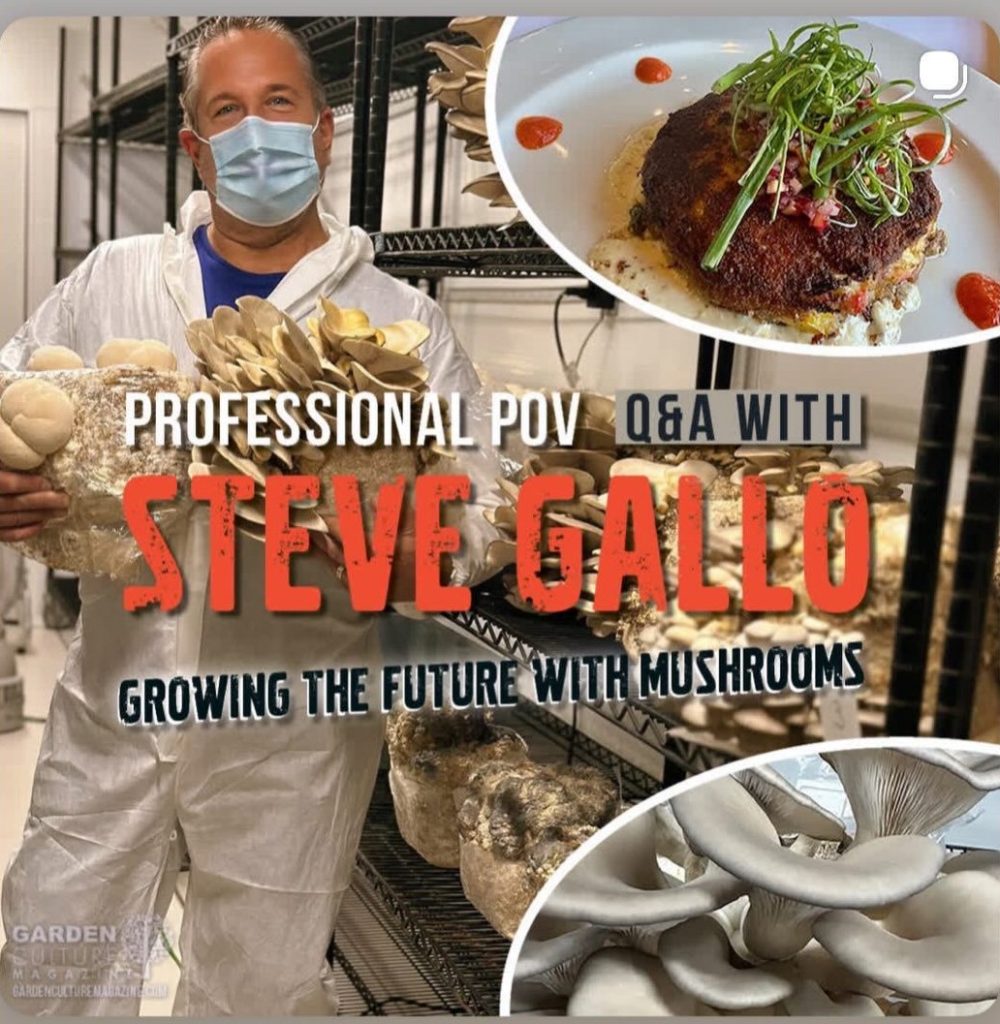 How Sustainable Mushroom Farming is Shaping the Future of Food
 -
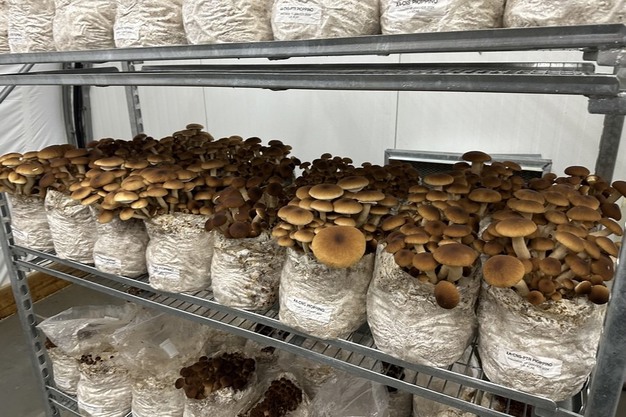 How Local Mushroom Growers Are Changing Fresh Organic Produce in Canada
 -
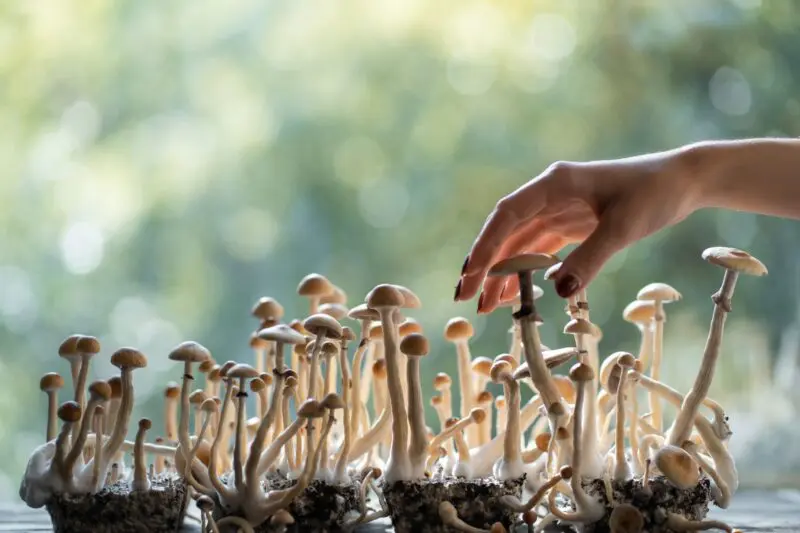 Why Local Mushroom Growers Focus on Sustainable Mushroom Farming
 -
 Sustainable Mushroom Farming for Eco-Friendly Food Production
 -
 Eco-Friendly Mushroom Growing Practices That Make a Real Difference